

Hydration & Your Skin: Why Drinking Enough Water Matters More Than Ever
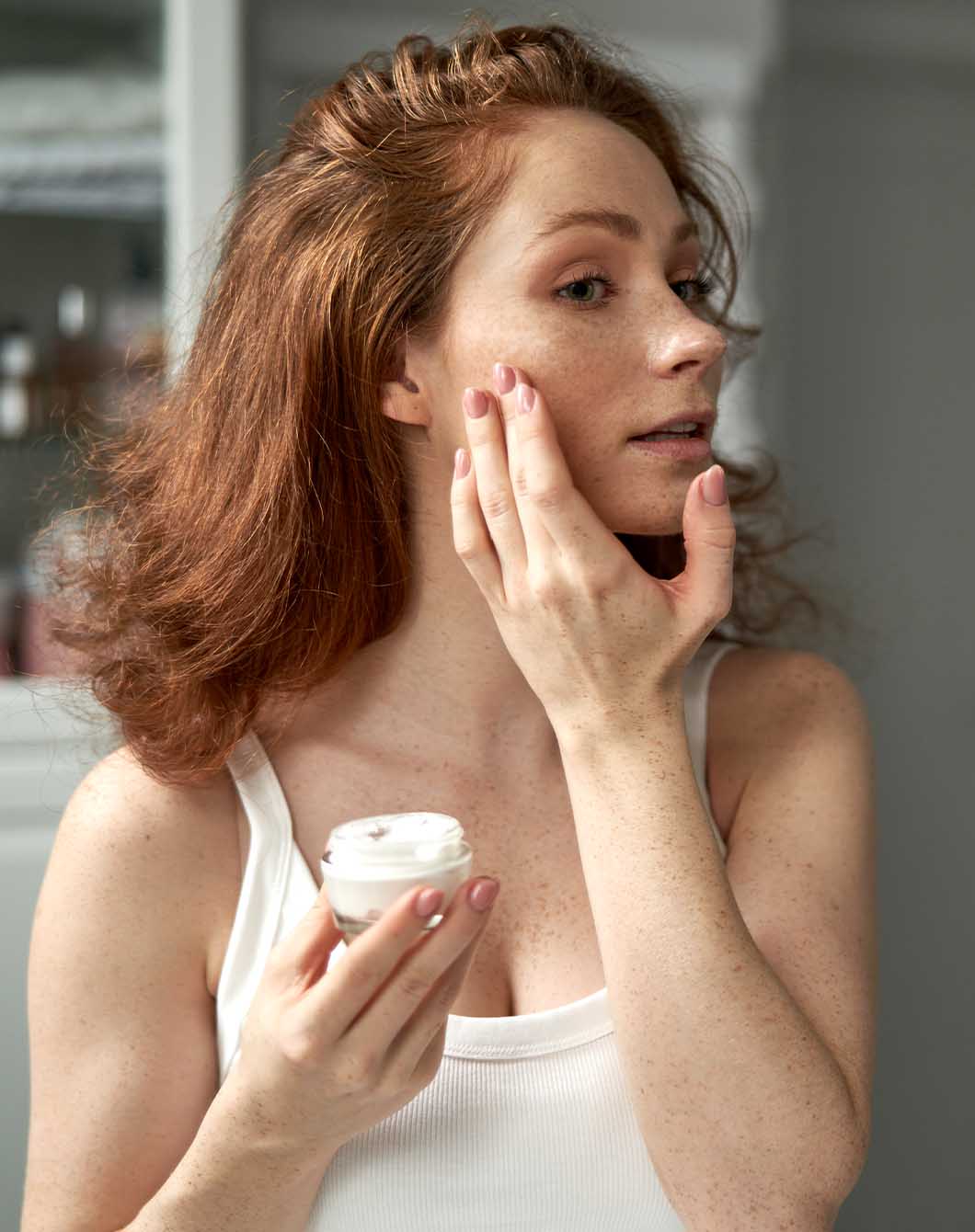
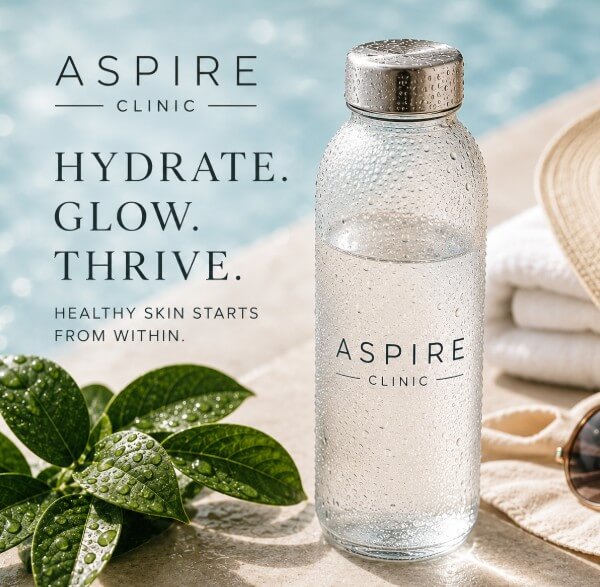
With temperatures soaring across the UK this week and forecasts predicting some of the hottest June days on record, staying hydrated has never been more important. While many of us welcome the sunshine, hot weather places additional stress on our bodies and our skin, making proper hydration essential for both health and appearance. Recent heat health alerts have been issued across parts of the UK as temperatures are expected to climb towards record-breaking levels.
Why Is Hydration So Important?
Our bodies are made up of around 60% water, and every single cell relies on adequate hydration to function properly. Water helps to:
- Regulate body temperature
- Transport nutrients and oxygen around the body
- Remove toxins and waste products
- Support digestion and circulation
- Lubricate joints and tissues
- Maintain healthy organ function
During periods of hot weather, we lose more fluids through sweating. If these fluids
aren’t replaced, dehydration can occur quickly, even in otherwise healthy individuals. The NHS advises drinking more fluids during hot weather and aiming for pale-coloured urine as a sign of good hydration.
What Does Dehydration Do To Your Skin?
Your skin is your body’s largest organ, and one of the first places to show signs of dehydration.
1. Dryness & Tightness
When you’re dehydrated, your skin can lose moisture, leaving it feeling dry, rough, flaky and tight. Fine lines often become more noticeable, and makeup may sit poorly on the skin.
2. Increased Sensitivity
A compromised skin barrier caused by dehydration can make skin more prone to irritation, redness and sensitivity. Conditions such as rosacea, eczema and acne may also flare up.
3. Premature Ageing
Chronically dehydrated skin lacks elasticity and resilience. Over time, this can contribute to the appearance of fine lines, dullness and a loss of youthful glow.
4. Slower Healing
Hydrated skin repairs itself more efficiently. Dehydration may slow skin regeneration, meaning blemishes, inflammation or post-treatment healing can take longer.
The Impact of This Week’s UK Heatwave
The UK is currently experiencing exceptionally high temperatures, with some areas forecast to reach close to 40°C. Health agencies have issued heat health alerts due to the increased risk of dehydration, heat exhaustion and heatstroke.
Hot weather can cause:
- Excessive sweating, leading to fluid and electrolyte loss
- Increased UV exposure and sun damage
- Greater risk of heat exhaustion
- Worsening of existing skin conditions
- Increased inflammation and pigmentation issues
The combination of dehydration and UV exposure can accelerate visible signs of ageing and leave skin looking tired, dull and stressed.
Top Tips To Stay Hydrated
Drink Regularly
Aim to drink water consistently throughout the day rather than waiting until you’re thirsty.
Eat Water-Rich Foods
Foods such as watermelon, cucumber, strawberries, oranges and lettuce can all contribute to your fluid intake.
Limit Alcohol & Excess Caffeine
Both can contribute to fluid loss and worsen dehydration in hot weather.
Protect Your Skin
Wear a broad-spectrum SPF every day, seek shade during peak UV hours and reapply sunscreen regularly.
Support Your Skin Professionally
Hydrating treatments such as Hydrafacial, skin boosters and medical-grade skincare can help replenish moisture levels and restore a healthy glow to stressed summer skin.
How Aspire Clinic Can Help
If the recent hot weather has left your skin feeling dry, dull or dehydrated, we can help.
At Aspire Clinic, we offer a range of treatments designed to deeply hydrate, nourish and rejuvenate the skin, including:
- Hydrafacial
- Medical-grade skincare consultations
- Skin boosters
- LED light therapy
- Bespoke skin health programmes
Healthy, glowing skin starts from within, so remember: drink your water, wear your SPF and look after your skin this summer.
Your skin will thank you for it.